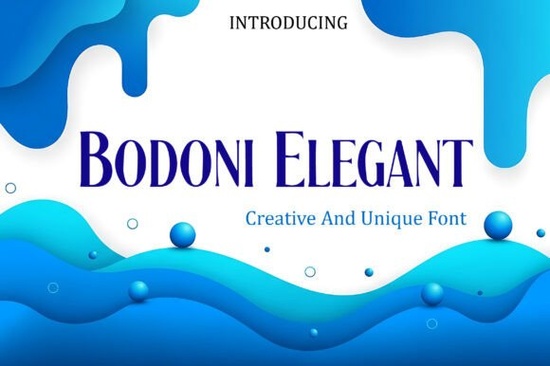
The Bodoni Elegant font is a modern take on the classic Bodoni style, combining sharp, needle-thin serifs with deep vertical strokes. It brings a liquid-smooth personality to a typeface that has been a design staple for centuries. If you're looking for a serif font that feels both established and innovative, this one is worth a closer look.
Whether you're designing for a tech startup, a creative agency, or a contemporary art gallery, this typeface offers a distinctive visual rhythm. Below, we'll break down what sets it apart, who it's for, and how to get the most out of it in your projects.
What makes this modern Bodoni different from the classic version?
The original Bodoni typeface dates back to the late 1700s, created by Italian typographer Giambattista Bodoni. It's known for its high contrast between thick and thin strokes, geometric construction, and elegant serifs. The Bodoni Elegant typeface takes those same proportions and adds a contemporary edge.
The serifs are thinner and sharper. The vertical strokes feel deeper and more defined. The overall texture has a smooth, almost fluid quality that makes it feel current without losing the authority of the original. It's the kind of font that bridges the gap between tradition and modernity in a single glyph.
Who should use this serif typeface?
This font is a strong choice for anyone who wants their brand or project to look polished and forward-thinking. Here are a few examples of who benefits most:
- Tech startups that need a logo or headline font that feels innovative but still professional
- Creative agencies working on brand identities for clients in design, fashion, or media
- Contemporary art galleries looking for a typeface that complements modern aesthetics
- Print-on-demand sellers designing posters, apparel, or stationery with a premium feel
- Small businesses building a brand from scratch and wanting something with personality
- Creative hobbyists who want their personal projects to have a polished, professional edge
Because of its sharp contrasts and bold vertical presence, this typeface works especially well at larger sizes. Think billboards, website hero images, book covers, and packaging. At small sizes, some of the finer details may get lost, so it's best used for headlines and display text rather than body copy.
How do you pair Bodoni Elegant with other fonts?
One of the best things about this font is how well it plays with other typefaces. Here are a few pairing ideas:
- With a geometric sans-serif: This creates a clean, futuristic look. Use a modern sans-serif for body text while the Elegant handles the headlines.
- With a minimalist sans-serif: Keep the focus on the serif by using a quiet, understated companion for supporting text.
- On its own: Let it stand alone as a logotype. The architecture of each letter is strong enough to carry a brand identity without much help.
If you enjoy exploring serif fonts with distinct personalities, you might also like this refined serif typeface with graceful curves, or this bold display serif that brings dramatic flair to creative projects. Both offer a different take on serif design and could complement your font library nicely.
What kind of projects work best with this typeface?
Here are some specific ways designers and creatives are using this style of serif in their work:
- Logo design: A single word set in Bodoni Elegant can become an iconic brand mark.
- Poster and flyer design: The high-contrast strokes catch the eye from a distance.
- Social media graphics: Use it for quote cards, announcements, or promotional posts that need a refined look.
- Wedding and event invitations: Its elegant proportions make it a natural fit for formal designs.
- Product packaging: Especially for beauty, wellness, or luxury goods where a premium look matters.
- Website headers: Large-scale hero text that needs to make a strong first impression.
You can find this font and other serif font options that suit different creative needs and styles.
A quick tip before you start designing
When working with high-contrast serif fonts like this one, always test your designs at the actual size they'll be viewed. A typeface that looks stunning on your 27-inch monitor might lose its finer details on a mobile screen or a small product tag. Pay attention to kerning and spacing too the thin serifs can sometimes create awkward gaps between certain letter pairs.
Ready to try it? Here's a quick checklist:
- Define the use case logo, headline, print, or digital
- Pick a complementary font for body text if your project needs one
- Test at multiple sizes before finalizing your design
- Adjust kerning and spacing for your specific letter combinations
- Preview on the actual medium screen, print, or merchandise to make sure nothing gets lost
- Download and install the font files in the format you need (OTF, TTF, or web font)
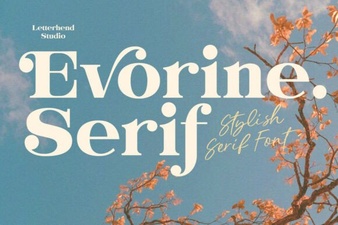 Evorine Serif Font: Elegant Typography for Creative Projects
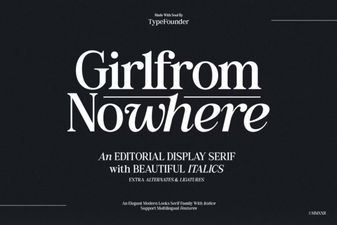 Girlfrom Nowhere Font Free Serif Download
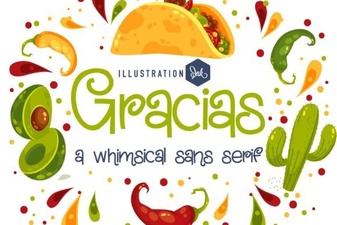 Gracias Font: Elegant Script Typography for Creative Projects
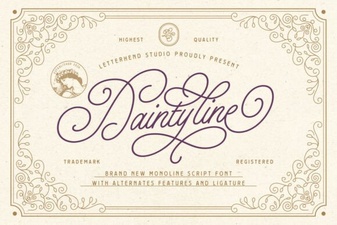 Daintyline Font: Elegant Typography for Creative Projects
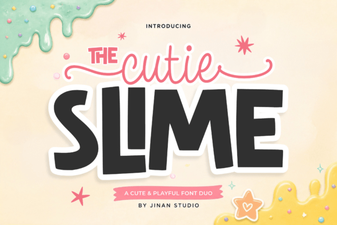 Discover the Adorable Cutie Slime Duo Font for Creative Design
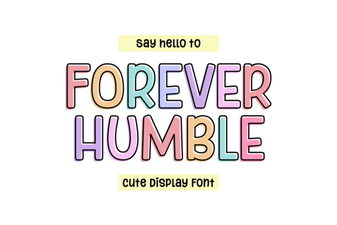 Simple Elegance: Forever Humble Font for Designers